
A brutal spike in bluetongue virus hitting Devon’s farms needs a coordinated response, it has been claimed, as an urgent meeting is set to be convened.
A total of 64 cases have been reported across the county out of 134 in England and Wales since July 10, but some farmers expect the true figure to be much higher given tests are only carried out on a few animals per farm.
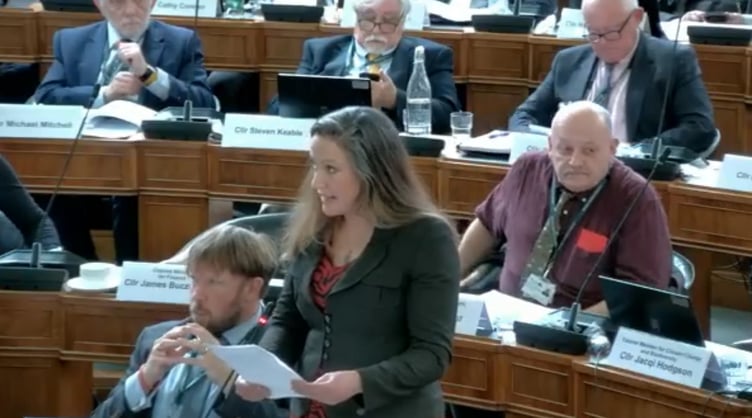
Councillor Louise Wainwright (Liberal Democrat, Salcombe), who is the vice chair of Devon County Council’s farms estate committee, said the upsurge in bluetongue was “causing deep distress to those farmers involved”.
“They are witnessing the painful demise of infected animals that they have raised on their farms,” she said. “The financial losses will pose additional burdens on farmers already struggling with the heatwaves which are impacting on fodder availability and prices.
“Warm weather has accelerated the proliferation of the virus within the midge vector. A warmer autumn period could extend the egg laying season for midges. The upsurge is being closely monitored.”
She added the farms estate committee was meeting today, Thursday August 6, to review the situation and consider what support and advice it could offer to the council’s tenant farmers – information that may be of use to the wider Devon farming community too.
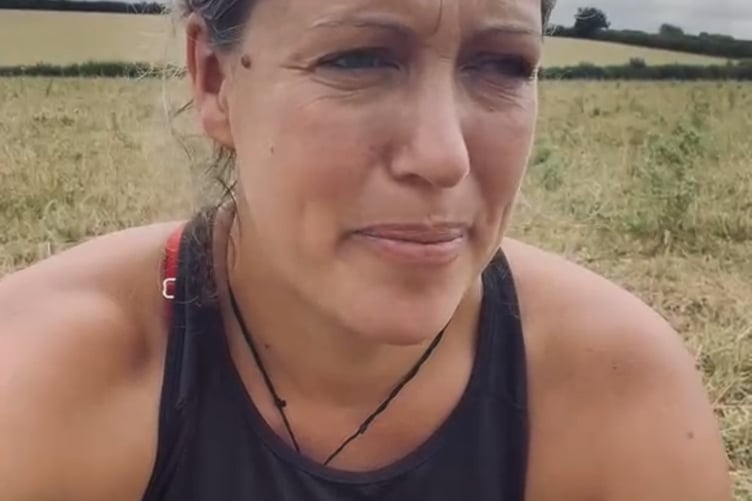
Awareness of the issue has risen in recent days, particularly after a heartfelt Facebook video from Councillor Cheryl Cottle Hunkin (Liberal Democrat, Torrington Rural) who is a farmer.
Cllr Cottle Hunkin said many farmers had contacted her to say they had been hit with the virus, and she at the time said they had lost about eight sheep to the virus.
Cllr Wainwright said an “integrated approach” was needed to manage the outbreak,
“For example, the midges only lay eggs in moist soil, so careful use of water troughs and repairing leaks pays dividends,” she said.



“The midge is also a weak flyer, so more vulnerable animals should be distributed in more windy, exposed sites. Vaccinations remain the mainstay of any protection programme.”
Vaccine supplies are understood to be holding up and guarantees seem to have been made for future need.
“There are currently no insecticides or repellents registered for use to control the midge vector.
“Stakeholders are urgently investigating options for fast tracking trials of eco-friendly products, such as the beneficial fungus, Metarhizium, that has been shown to kill the adult and larval stages of the midge.”
Comments
This article has no comments yet. Be the first to leave a comment.