

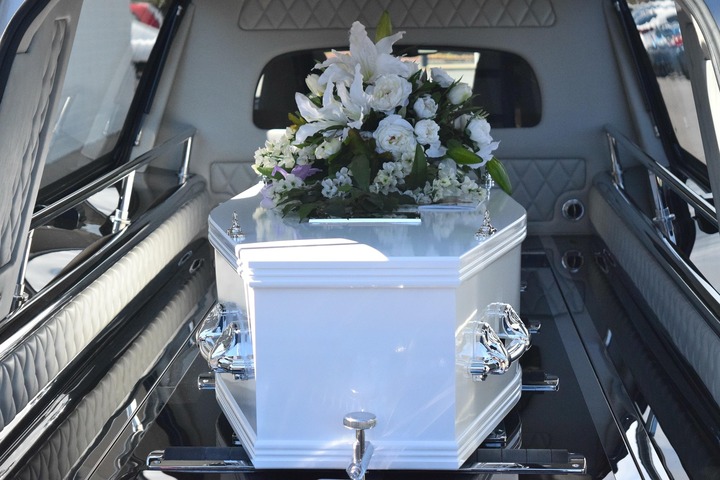
A funeral car driver has issued a plea to Plymothians to show more respect for those who have passed away after rude and impatient drivers and cyclists left him feeling “ashamed”.
Retired soldier Tony Washbrook says he has experienced cars “cutting up” the hearse he drives for a funeral company and motorists ignoring the funeral cortege by trying to force their way between vehicles.
He has witnessed verbal abuse and threatening behaviour towards staff from drivers who will not wait if funeral vehicles temporarily block up a road to collect family members. This is more often than not in the presence of the bereaved family, with the abuse including hand gestures from cyclists.
Reckless driving by others has resulted in several near misses including one situation where Mr Washbrook was forced to do an emergency stop with a deceased person on board yet he says he never got an apology.

“As I drive my hearse around the city I am saddened and to be brutally honest ashamed at the distinct lack of respect or just plain old manners being shown towards their deceased and their families,” he said.
In an effort to try and combat drivers trying to get ahead of the hearse he said where two traffic lanes merge into one, he purposely occupied the middle of the road, straddling the centre white lines.
“Clearly I know this is not in accordance with the Highway Code, even frowned upon by the law and or other road users, but it is no more than a ‘wide load’ or an articulated truck would do.
“That said, this tactic still doesn’t stop some motorists from trying to come up the inside or outside lanes to get in front of the hearse and following vehicles.”
He pointed out that there were people in the city who were polite and courteous – including emergency vehicle drivers silencing blue lights, bus drivers and waste collection workers and “pedestrians just pausing on the pavements bowing as we pass by, gentlemen removing hats, including workmen on building sites, roadworks and alike”.
But he added: “The sad fact is that the latter are very much in the minority. One day we will all be in the back of a hearse, or in a car following one, as it takes a loved one on their final journey.
“How much is it going to impact on your day just to stop briefly as a hearse passes by and show some sense of occasion or just plain old manners?”
Mr Washbrook, who retired from the armed forces in 2016 after 36 years, said it was a great honour and privilege to be operating a hearse on a daily basis.
“The number of military funerals I conducted during my service sadly went well into double figures. Ultimately, this is one of the reasons why I went into this job,” he said.
Comments
This article has no comments yet. Be the first to leave a comment.