
West Devon divers have tracked down a long-lost World War One shipwreck, to the relief of relatives.
The divers, named the Gasperados, have been able to let US officials know the site of the US Coastguard cutter Tampa off the coast of Cornwall. Relatives of those lost onboard more than a century ago are now being informed of the discovery by the US authorities.
The ship was sunk by a German submarine torpedo in 1918 near the Scilly Islands while escorting a convoy from Gibraltar. The ship was running low on coal and decided to leave the convoy to put into port for refueling in Milford Haven, south west Wales. Tragically, it was then hit by a U-boat off the coast of Cornwall en route.
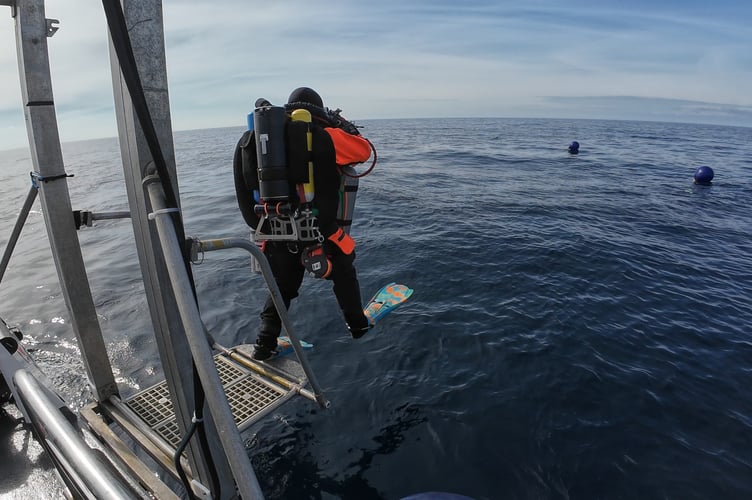
Members of the Gasperados dive team spent three years searching for the wreck of USCGC Tampa, at a depth of 100 metres north of Newquay. They ruled out other wrecks by diving down to them.
-flower-At-Antony.jpeg?width=209&height=140&crop=209:145,smart&quality=75)
For the US Navy, this was the largest single loss of life due to combat in Word War One, sinking in less than three minutes, resulting in the death of all 131 people on board, including 111 coastguardsmen, four US Navy personnel and 16 Royal Navy personnel and civilians.
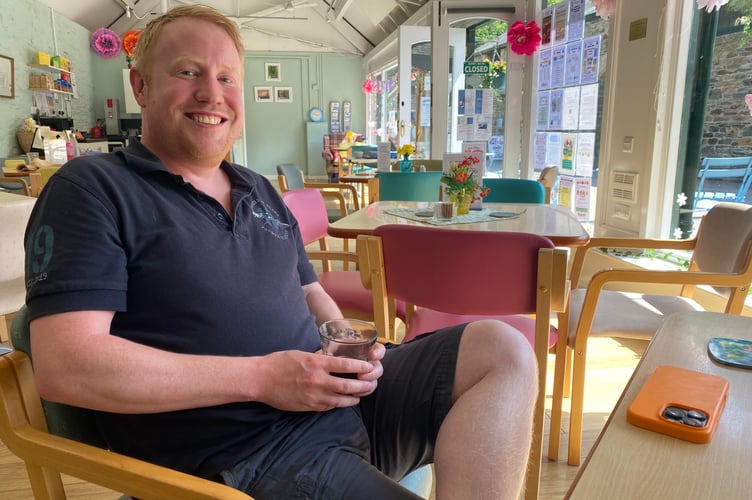
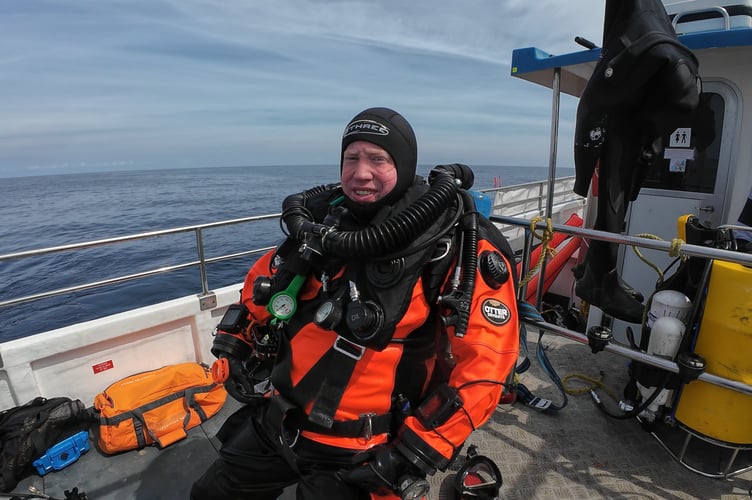
Among the amateur dive team who rediscovered her were Steve Mortimer, of Peter Tavy, and Andy Wrigglesworth, of Bere Alston.
Andy said: “The last thing the convoy knew about the Tampa was an explosion in the distance and then nothing more was heard from her.
“It’s a privilege to dive on these wartime wrecks, especially when we can bring some answers and peace to the relatives. The Tampa and other wrecks are war graves and we treat them with great care and respect.
“This means we can’t remove parts and we reduce intrusion and possible damage by our presence and operations as much as possible. We are there to observe and provide visual evidence of the location.”
Andy, a computer security consultant, said a lot of research was carried out by Steve and his wife Barbara, also a member of the Gasperados, before the dive. They were helped by a U-boat logbook and some unrelated surveys in the area.
The operation comprised two dives with Andy on one. The former RAF serviceman said: “It was exciting to be one of the few to see the ship and the wreck for the first time after so more than 100 years.
“It’s a privilege to solve the question of where the ship is finally laid and add this significant piece of maritime history to the records. But it was a sombre experience to see a once-proud ship all broken up on the seabed and to know there were once people on it. The only human evidence were the rubber soles of the boots the crew wore, a reminder of the people involved.
“Although we don’t contact the relatives of those who went down with the Tampa, we have seen some appreciative feedback.”
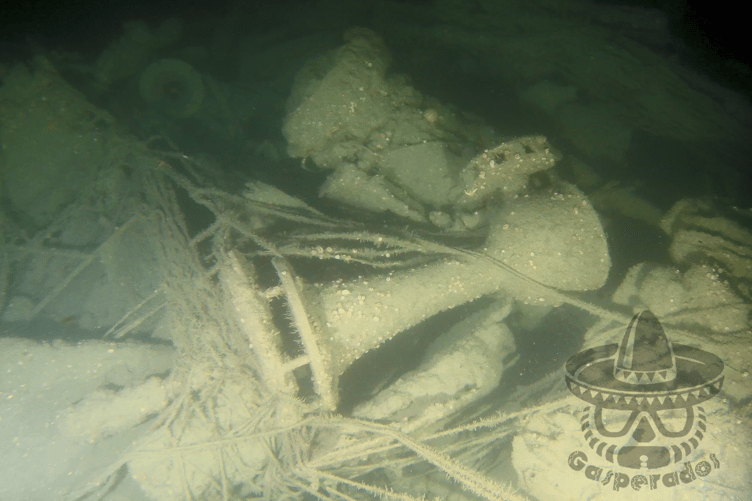
Steve and his fellow Gasperados saw a chaotic wreck site with the stern missing (possible due to the explosion of depth charges in the stern) and lots of brass fittings, defensive deck guns, unexploded shells, crockery remains and the engine, the steering helm, bridge telegraph, compass binnacle. The combined evidence and location are evidence it is the Tampa.
--Photo-is.jpeg?width=752&height=500&crop=752:500)
Comments
This article has no comments yet. Be the first to leave a comment.